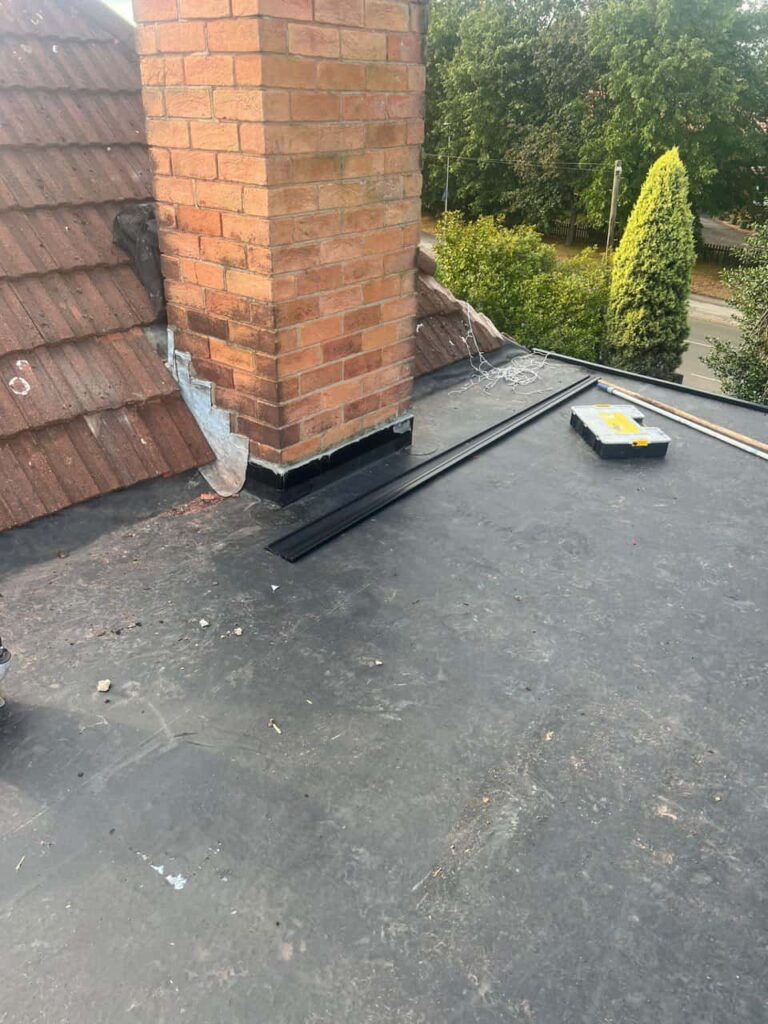
Roofing problems do not always begin with water pouring through the ceiling. A displaced tile, a small damp patch or a crack in the flashing may appear minor, yet each can expose other parts of the roofing system to moisture and further deterioration.
Knowing when to arrange a professional inspection can help prevent a localised defect from becoming more extensive. Homeowners in Sutton in Ashfield, Nottinghamshire, should consider contacting a roof repair contractor in the following seven situations.
When Should You Call a Roof Repair Contractor?
1. You Have Discovered a Roof Leak
Water stains, damp patches and dripping ceilings are clear signs that moisture is entering or travelling through the property. However, the point where water becomes visible indoors is not necessarily where it entered the roof.
Water can move beneath tiles, along underlay or across roof timbers before appearing inside. A professional contractor can inspect the wider area, trace the likely route of the leak and identify the defect responsible.
2. A Tile Has Slipped, Cracked or Gone Missing
Even one displaced or broken tile can leave the underlay more exposed to rain and wind. If the underlay is already worn or damaged, moisture may reach the battens and roof space.
The cause of the movement should also be established. Tiles can become displaced because of failed fixings, weakened battens, weather exposure or deterioration in nearby components. Repositioning a tile without addressing the underlying cause may provide only a temporary result.
3. Dampness Keeps Returning After Previous Work
A recurring damp patch may indicate that an earlier repair treated the visible symptom rather than the true source of water ingress. It could also mean that another nearby component has deteriorated.
Repeated leaks deserve a broader assessment of the roof covering, underlay, flashing, junctions and drainage details. This helps determine whether one concealed defect or several connected problems are responsible.
4. Lead Flashing Has Lifted or Cracked
Lead flashing seals vulnerable junctions around chimneys, abutments and other roof details. If it pulls away, splits or becomes distorted, rainwater can enter the gap behind it.
Applying a surface covering over the affected area may conceal the opening without restoring the junction correctly. A roofing contractor can assess the flashing, surrounding mortar and adjoining roof materials before completing an appropriate repair.
5. The Flat Roof Is Holding Water or Developing Splits
Standing water on a flat roof can be a sign of poor drainage, blocked outlets or movement within the supporting deck. Cracks, blisters, open seams and torn felt also create potential routes for moisture.
A professional inspection can establish whether the problem is confined to the covering or connected to the roof’s falls, drainage or supporting structure. This distinction is important when deciding whether a local repair or more extensive work is required.
6. The Roof Has Changed After Severe Weather
Strong winds and heavy rain can loosen tiles, disturb flashing and expose weaknesses that were not previously visible. Damage may be subtle, particularly when fixings have weakened but the roof covering has not yet moved significantly.
Arrange an assessment if you notice new rattling sounds, fragments of roofing material on the ground, lifted edges or fresh dampness following poor weather. Prompt attention can help prevent the next period of rain from exploiting the damaged area.
7. The Roofline Looks Uneven or Sagging
A visible dip, sag or change in the roofline should not be treated as a routine surface defect. It may relate to deteriorated decking, weakened battens, prolonged moisture exposure or movement within the supporting structure.
Because the cause is often concealed beneath the covering, professional investigation is needed before any repair is planned. Treating only the external appearance may leave the underlying weakness unresolved.
Why Professional Diagnosis Matters
Different roofing faults can produce very similar symptoms. For example, dampness near a chimney could be caused by flashing, mortar, nearby tiles or water travelling from a higher point on the roof.
An experienced roof repair contractor assesses how the covering, fixings, underlay, flashing, drainage and supporting materials work together. This makes it possible to recommend work that addresses the cause of the problem rather than merely covering what is visible.
What to Do While Waiting for an Inspection
If water is entering the property, move belongings away from the affected area and contain dripping water where it is safe to do so. Avoid climbing onto the roof or attempting repairs from a ladder, particularly during wet or windy conditions.
Make a note of when the problem occurs, such as during prolonged rain or when the wind comes from a particular direction. This information can help the contractor investigate the leak more efficiently.
Conclusion
Calling a roof repair contractor is the sensible choice when tiles have moved, leaks are recurring, flashing has failed, a flat roof is deteriorating or the roofline has changed. Early professional assessment can reveal the true extent of the defect and prevent moisture from reaching additional parts of the roofing system.
Sutton in Ashfield Roofing Repairs provides professional roof inspections and repairs in Sutton in Ashfield, Nottinghamshire. If you have noticed signs of roof damage, contact our team to arrange an assessment and discuss the most suitable next step.
Call us on: 01623 708 985
Click here to find out more about Sutton in Ashfield Roofing Repairs
Click here to complete our contact form and see how we can help with your roofing needs.