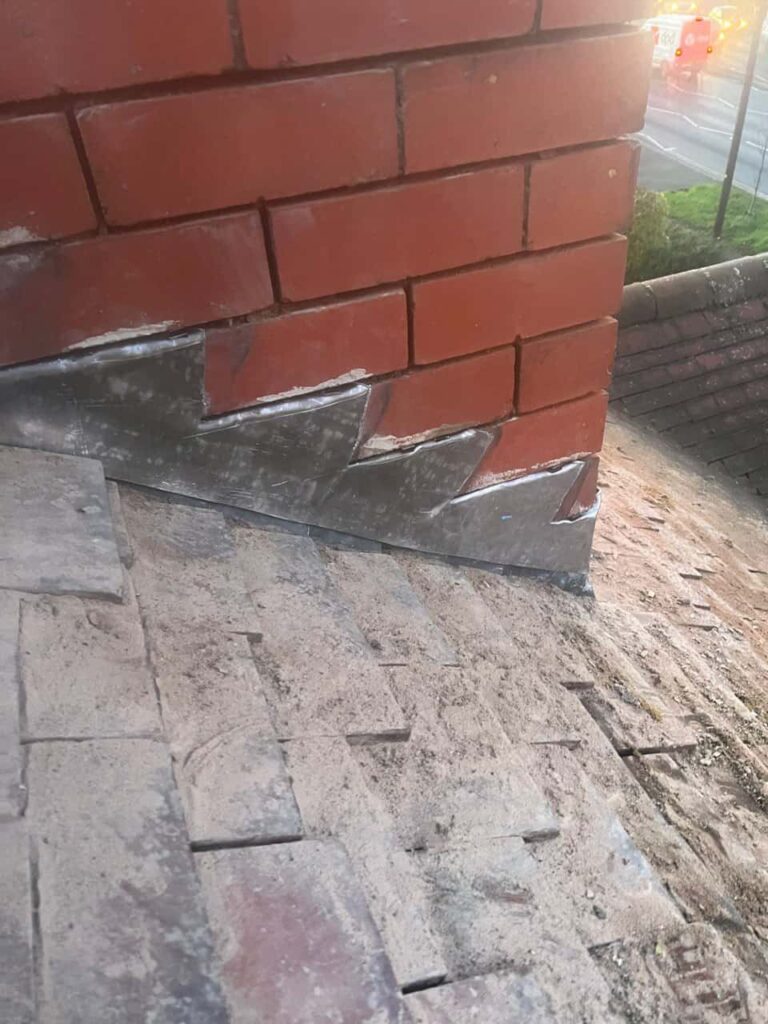
A single slipped roof tile can sometimes be the result of isolated damage, but when several tiles begin moving out of position, it deserves closer attention. Multiple slipping tiles can indicate that the problem extends beyond the tiles themselves and may involve fixings, battens, general deterioration or another part of the roofing system.
For homeowners in Sutton in Ashfield, Nottinghamshire, recognising this pattern early can help prevent water ingress and further deterioration. At Sutton in Ashfield Roofing Repairs, we assess the complete roof to establish why tiles are slipping and determine the most appropriate repair rather than simply treating the visible symptoms.
Why Do Roof Tiles Slip?
Roof tiles are installed in overlapping courses and secured according to the design of the roofing system. For them to remain effective, the tiles, fixings and supporting battens all need to remain in suitable condition.
A tile may slip when its fixing fails, the tile itself becomes damaged or the component supporting it deteriorates. When several tiles are affected, there may be a broader issue that requires investigation.
Ageing Fixings Can Become Less Reliable
Roofing fixings are exposed to demanding conditions for many years. As a roof ages, deterioration can reduce their ability to keep individual tiles securely positioned.
If multiple fixings across the same roof are of a similar age, several tiles may begin slipping within a relatively short period.
Simply replacing one displaced tile may therefore not resolve the wider problem if surrounding fixings are also beginning to deteriorate.
Damaged Battens Can Affect Several Tiles
Roof battens provide essential support beneath the tiles. If sections of batten become weakened or deteriorated, the tiles attached to them may no longer remain properly secured.
Because battens extend beneath several tiles, a problem in one section can sometimes affect multiple parts of the visible roof covering.
This is one reason a professional inspection is valuable when several tiles begin moving rather than just one.
The Tiles Themselves May Be Deteriorating
Older tiles can become increasingly vulnerable to damage following years of exposure to the weather. Cracks, fractures or deterioration around fixing points may make it difficult for individual tiles to remain securely positioned.
If several tiles are of the same age and condition, similar problems may begin developing across the roof.
An inspection can establish whether only a small number of tiles require replacement or whether deterioration is becoming more widespread.
Strong Winds Can Reveal Existing Weaknesses
High winds can place considerable pressure on a roof covering. A sound roofing system is designed to withstand normal weather exposure, but existing weaknesses may become more apparent during periods of strong wind.
Tiles that were already poorly secured may lift or slip, while weakened fixings can fail.
If several tiles move following windy weather, it is important to determine whether the problem is limited to those tiles or whether other sections have also become vulnerable.
Previous Repairs May Need Closer Examination
A roof that has received several repairs over its lifetime can contain sections of different ages and conditions. If previous work only addressed individual symptoms, the underlying cause of recurring tile movement may remain.
Repeatedly finding slipped tiles in different areas can indicate that the roof would benefit from a more comprehensive assessment.
The objective should be to understand why the tiles are moving, not simply return them to position each time.
Why Slipped Tiles Should Not Be Ignored
Tiles form the primary weather-resistant covering of a pitched roof. When they move out of position, gaps can be created that leave the layers beneath more exposed.
This may allow rainwater to reach areas that are not designed for prolonged exposure.
Potential consequences can include:
- Water penetrating beneath the roof covering
- Deterioration of roofing underlay
- Moisture affecting battens
- Dampness within the roof space
- Further movement of surrounding tiles
- Increasing deterioration around the affected area
Early attention can help prevent a relatively manageable roofing defect from developing further.
Does More Than One Slipped Tile Mean You Need a New Roof?
Not necessarily.
Several slipped tiles can sometimes be repaired effectively, particularly where the rest of the roof remains in sound condition. The affected tiles may simply require replacement or secure refixing alongside appropriate repairs to the supporting components.
However, if slipping tiles are accompanied by widespread deterioration, ageing underlay, weakened battens or repeated leaks, broader roofing work may need to be considered.
The decision should always be based on the actual condition of the roof rather than the number of slipped tiles alone.
Why the Roof Should Be Assessed as a Complete System
The visible tiles only represent one part of a roof. Underlay, battens, fixings, flashing, ridge details and other components all contribute to keeping the property protected.
When multiple tiles begin slipping, inspecting these associated elements provides a clearer understanding of what is happening.
At Sutton in Ashfield Roofing Repairs, we take this whole-roof approach. By identifying whether the problem originates with individual tiles, their fixings, supporting components or wider deterioration, we can recommend work designed to address the actual cause.
Early Repairs Can Protect Surrounding Roofing
A slipped tile can expose adjacent areas to additional weathering. If water repeatedly enters beneath the covering, damage may gradually spread beyond the original location.
Having the roof inspected when tile movement first becomes noticeable can therefore protect otherwise serviceable components and help maintain the overall performance of the roofing system.
Look for Patterns Rather Than Individual Defects
Homeowners should pay particular attention when tile problems start becoming repetitive.
One displaced tile may be isolated. Several slipping tiles, especially across different parts of the roof, create a pattern that deserves professional investigation.
The same applies if tiles are being replaced regularly but new problems continue to appear. At that stage, understanding the condition of the wider roofing system becomes increasingly important.
Conclusion
When several roof tiles start slipping, it can indicate more than isolated tile damage. Ageing fixings, weakened battens, deterioration around fixing points, weather exposure or broader roof ageing may all contribute to repeated movement. While repairs may still be entirely appropriate, identifying the underlying cause is essential for achieving a dependable result.
For homeowners in Sutton in Ashfield, Nottinghamshire, Sutton in Ashfield Roofing Repairs provides professional roof inspections and repairs focused on resolving the cause of roofing problems rather than simply correcting visible damage. If several tiles have started slipping or your roof is developing recurring defects, arranging a thorough assessment can help determine the right work to restore secure, reliable protection.
Call us on: 01623 708 985
Click here to find out more about Sutton in Ashfield Roofing Repairs
Click here to complete our contact form and see how we can help with your roofing needs.